


From Crisis to Continuity: How Key Person Insurance Saves Businesses from Operational Disruptions
In the fast-paced world of Indian business, where SMEs and startups drive over 30% of the GDP and employ millions, a single unforeseen event can derail everything. Imagine your star founder, CEO, or technical wizard suddenly sidelined by illness or worse- operations grind to a halt, revenues plummet, and investor confidence evaporates. This isn’t just a hypothetical; it’s a reality for many enterprises. But there’s a lifeline: Key Person Insurance (often called Keyman Insurance in India). This specialized coverage transforms potential disasters into manageable transitions, ensuring your business stays afloat and thrives.
As we navigate 2025’s economic landscape – marked by workforce engagement dipping to just 19% in India and MSMEs generating 11 million new jobs in the past year – protecting against key person risks has never been more critical. Let’s explore how this insurance bridges the gap from crisis to continuity, with a special focus on its transformative benefits.
The Hidden Vulnerability: Why Every Business Depends on Key Persons
No business is immune to the “key person risk.” In SMEs and startups, where teams are lean and expertise is concentrated, a single individual often holds the reins of innovation, client relationships, or operational know-how. According to global insights adapted to India, 52% of small business leaders are optimistic about growth, but unplanned absences; like those from health crises, can lead to severe disruptions. For instance, manufacturing MSMEs face challenges from employee absences, exacerbating productivity issues already at play with long hours and low engagement.
In India, where MSMEs contribute massively to employment but struggle with informal structures, the loss of a key employee can amplify vulnerabilities. Think of a tech startup in Bengaluru reliant on its CTO for product development or a family-run manufacturing unit in Gujarat depending on its founder’s networks; these “key persons” are the unsung heroes keeping the engine running.
What Happens When a Key Employee is Suddenly Gone?

The fallout is swift and multifaceted. Without preparation, businesses face immediate operational halts: projects stall, client deliverables slip, and supply chains break. A survey from the All India Manufacturers Organisation highlighted that during crises like the pandemic, 71% of businesses couldn’t pay employees, underscoring the ripple effects. In 2025, with global layoff trends affecting industries like tech and manufacturing, the loss of a key player can exacerbate revenue drops by 30-50% in SMEs.
Emotional toll aside, the financial hit is brutal; lost revenue, increased debt, and eroded stakeholder trust. For Indian firms, where hybrid work models show varying engagement (21% on-site vs. 8% remote), such disruptions can widen the gap.
The Real Cost of Operational Disruptions for Indian SMEs & Startups
Quantifying the damage: Studies show that key person loss can lead to a 20-40% dip in productivity and months of recovery time. In India, MSMEs; vital for 11 million jobs in 2023-2024; face amplified risks from unplanned absences, with manufacturing sectors particularly hit. Recruitment costs alone can exceed ₹5-10 lakhs for senior roles, plus lost opportunities during the vacuum.
Global parallels apply: Businesses without coverage risk closure, as seen in cases where revenue ties directly to irreplaceable talent.
Common Risks That Threaten Business Continuity
- Health Crises: Sudden death or disability of a leader.
- Talent Exodus: Key experts leaving, taking knowledge with them.
- Economic Shocks: Amplified by low engagement (19% in 2025).
- Regulatory Gaps: In informal sectors, no backups for critical roles.
These risks disrupt cash flow, client relations, and growth trajectories.
How Key Person Insurance Acts as a Financial Safety Net
Enter Key Person Insurance: A policy where the business owns and benefits from coverage on vital employees. The payout, often 5-10x annual salary, provides immediate funds for recovery. In India, via LIC’s group schemes like Single Premium Group Assurance or Group Term Assurance, it’s tailored for SMEs, offering lump-sum benefits for death or disability.
This isn’t just insurance – it’s a strategic tool for risk management, preserving value and confidence.
Key Benefits That Turn Crisis into Recovery
The true power lies in these advantages:
- Financial Stability: Immediate liquidity to cover lost revenue and debts, preventing bankruptcy.
- Operational Resilience: Funds for quick recruitment or training, minimizing downtime.
- Tax Efficiency: Premiums deductible under Section 37(1) as business expenses (debunking myths of capital treatment).
- Stakeholder Confidence: Maintains investor and client trust during transitions.
- Long-Term Success: Supports succession planning, ensuring smooth handovers.
In 2025, with LIC’s high claim ratios (99%+), it’s a reliable shield.
Real-Life Examples: Businesses Saved by Keyman Insurance
Consider a U.S. tech firm that used payout to hire a replacement after losing its CEO, avoiding collapse. In India, a manufacturing SME might use funds to cover absences, as per AI playbook insights. Another case: A UK business owner insured key staff, turning potential tragedy into seamless continuity. These stories show how coverage prevents disruptions.
LIC Keyman Plans: Reliable Solutions Tailored for Indian Businesses
LIC’s offerings, like Group Term Assurance, provide flexible coverage for key persons (holding <51% shares). Benefits include tax perks and quick payouts, ideal for India’s MSME boom.
Is Your Business at Risk? Quick Checklist for Key Person Exposure
- Does one person drive >50% revenue?
- Would operations halt without a specific expert?
- No succession plan in place?
- High dependency on founder/CEO?
If yes, assess now.
Take the Next Step: Secure Your Business Continuity Today
Don’t wait for crisis contact us for a free risk assessment. Visit keymaninsurance.in or message via WhatsApp for tailored LIC guidance. Protect your legacy; ensure continuity.
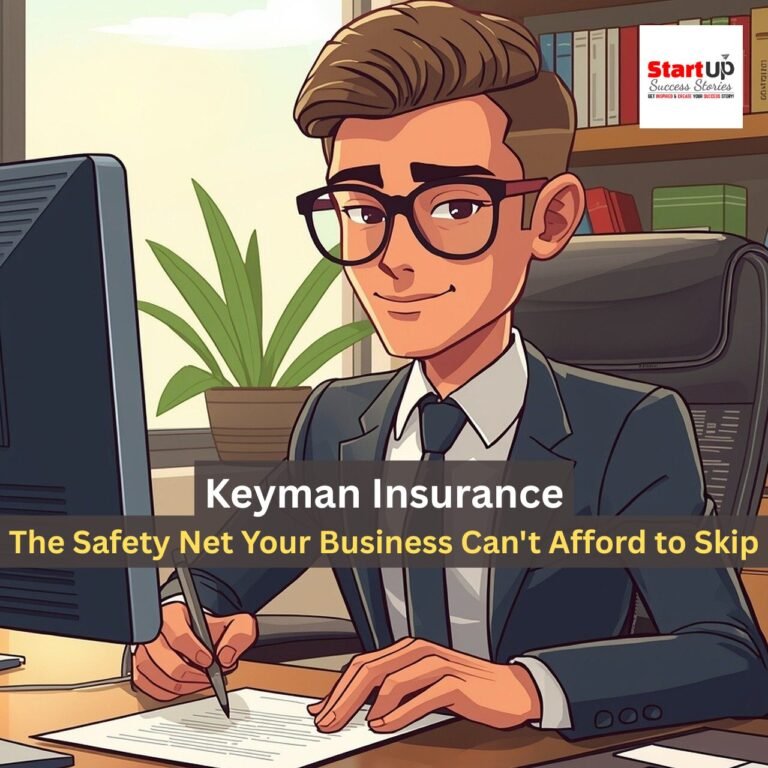 Keyman Insurance: The Safety Net Your Business Can’t Afford to Skip
 Keyman Insurance, Partner Protection & Buy–Sell Funding for Indian SMEs: Life Insurance for Business Succession