

New Delhi, Delhi, India, 31st October 2019: TUG India an associate body with INTUG, a global association of business users of telecommunications, informing policy makers on the subjects that matter to professional users of communication services, today issued a press statement, urging the government to uphold its schedule of implementing BAK regime for Interconnection Usage Charges (IUC).
Anil Prakash, President, TUG India, signifying the importance of moving to this new system of dealing IUC said, “Any policy decision is expected to foster innovation and keep consumer interests supreme to every other stakeholder including the government. In this view, it will be regressive to defer implementation of BAK procedure of dealing with IUC.”
“Consumers – business as well as individual, expect latest to be offered by way of implementation of newer technologies. Trends show that users have been overwhelmingly paying more for new and innovative services. In this spirit, it is important to disincentivise continuation of provisioning of older technologies to consumers,”concluded Mr. Prakash.
Supporting its stand, TUG India made the following observations: –
- The incumbent telecom operators hold the maximum of spectrum. However, they have deployed 4G BTS in half of their networks. As a consequence, almost two-thirds of their subscribers are on 2G/3G networks. Airtel has estimated 37% of subscribers on 4G while Vodafone-Idea has just 29% migrated to 4G services. If BAK is not implemented operators will continue to deliver services through older technologies to subscribers which will not only keep them away from innovations but also result in increasing costs due to inherent network rigidities.
- India is already lagging on 5G movement globally. Worldwide, in major telecom markets, 5G is either in trials or nearing commercial launch. One of the important technical requisites of 5G is an all IP network. Without BAK implementation, operators will not get the required impetus for moving towards an all IP network which will prepare them for quicker 5G rollouts.
- The shifts in business models for telecommunication as well as other sectors makes it important that operational costs are contained to offer new services to consumers. Possession of a service or product is the essence of shared economy, which will propel growth in modern economies. It becomes extremely critical that new technologies like all IP networks are deployed which offer quality services at lesser operational costs. Continuation of IUC framework will delay the process of modernisation of networks which will not prepare the sector for shifting economic structures.
- Industry estimates suggest users are paying over Rs. 200 on account of IUC annually. Consumers could spend the same money for new services that will come through technology upgrades and innovations. This will not only maximise returns for the consumers but also delight their experiences and help stickiness with the operators.
- Digital India is for every Indian. This dream is unachievable without implementation of newer technologies which offer economies through scalability as well as affordability through lower operational costs. Existing IUC regime will add to the digital divide where the weaker sections of the society will not benefit from newer technologies. This will take out the genesis of a marquee programme like Digital India which is for every section of the society.
- OTT applications have already made their place in the ecosystem and have far more acceptability among consumers. If operators do not upgrade their infrastructure, they will continue to face very strong indefensible competition from such new age ecosystems which could even lead to substantial decline in the relevance of telecom operators.
As per ‘The Telecommunication Interconnection Usage Charges (Thirteenth Amendment) Regulations, 2017’ dated 19th September 2017, issued by TRAI, IUC was reduced from 14 paise to 6 paise per minute from October 1st, 2017 and is scheduled to be abolished under Bill and Keep (BAK) regime effective January 1st, 2020. On September 18th, 2019, TRAI floated a consultation for the review of IUC and solicited views from the stakeholders about the subject.
TUG India is of the view that the government must go ahead with its schedule of January 1st, 2020 to implement the BAK method of IUC as it fosters innovation and serves the interests of the consumers in the most effective manner.

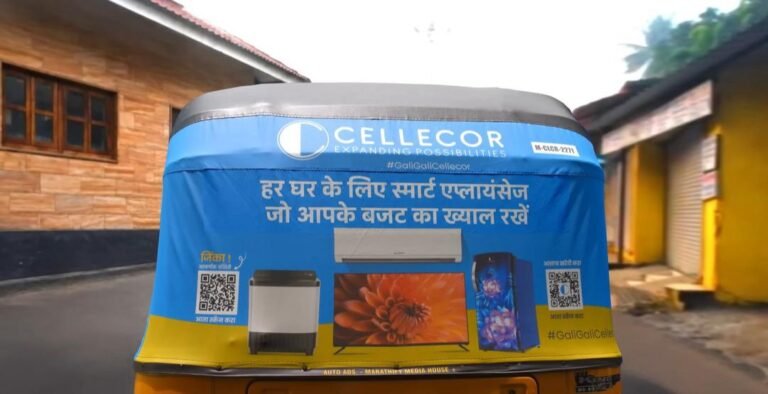 Cellecor’s New Brand Film Chases One Dream This Festive Season: A Cellecor in Every Gali
 Liminal Launches Liminal Prime for Institutional OTC and Stablecoin Liquidity
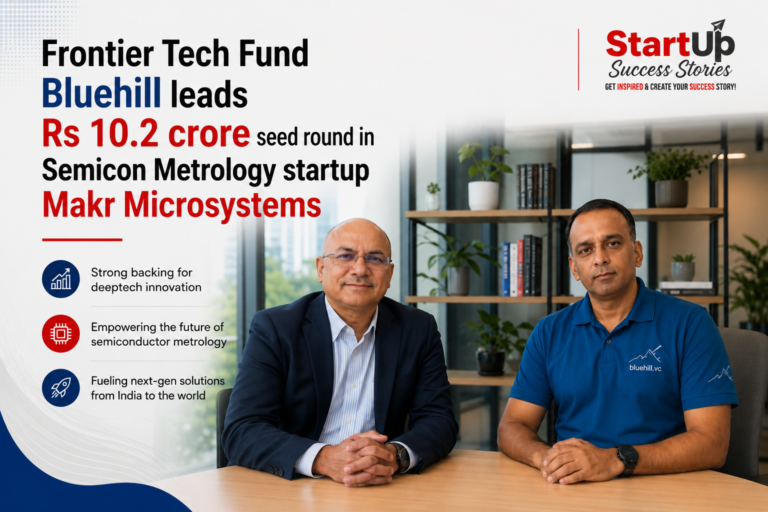 Frontier Tech Fund Bluehill Leads ₹10.2 Crore Seed Round in Semicon Metrology Startup Makr Microsystems